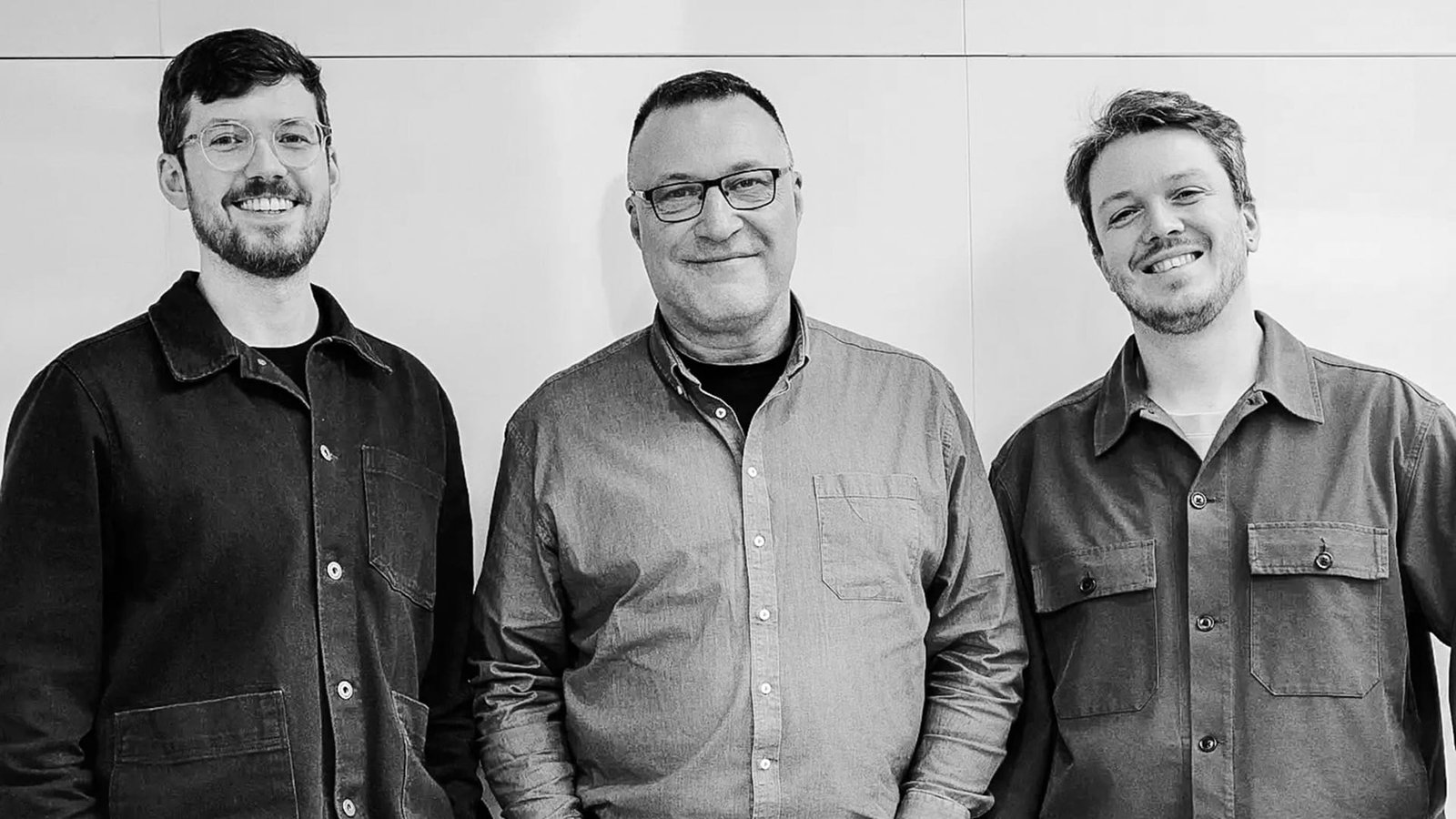
Our deep research into the critical raw materials landscape led us to Nordic Salt Cycle, the team pioneering one of the most promising solutions we’ve seen.
At Ananda, our investment process is rooted in research. Our goal is to find breakthrough ideas and exceptional teams that can positively disrupt markets and redefine what impact means.
The critical raw materials sector sits at the intersection of the global energy transition, technological innovation, and global geopolitics. With demand surging and supply chains under pressure, understanding this space became a focus of our research into one of the mega trends defining the next decade.
What are Critical Raw Materials?
Critical raw materials (CRMs) are minerals and metals (such as cobalt and rare earth elements) that are essential for technologies like batteries, magnets, electronics, and renewable energy systems. They’re considered critical because they have no easy substitutes and their supply is limited or concentrated in just a few countries. Europe remains heavily dependent on imports for its CRMs, whilst forecasts suggest that Europe’s demand for lithium, for example, in battery applications will increase by over 300 % between 2023 and 2030.
We began by mapping the entire value chain, from mining to refining and recycling, to identify where the biggest gaps and opportunities lie. We spent months deep-diving into the industry, analysing over 100 companies across the ecosystem.
Understanding the value chain
While Europe does have some CRM resources, extracting them at scale remains difficult. Strict environmental regulations, lengthy permitting processes, and public opposition make opening new mines a decade-long challenge. Even where resources exist, high costs and lower ore grades make European mining far less competitive.
Even if new mines were to open tomorrow, Europe lacks the refining and processing capacity needed to turn these raw materials into usable forms. Today, most refining happens in China, which controls around 90% of global rare earth processing and over 60% of lithium refining.
The Most Immediate Lever
In short, the most immediate, impactful action we can take is to keep the minerals we already have in circulation for as long as possible. If we can unlock recovery and refining capabilities, we reduce the need for mining.
The Opportunity: Closing Europe’s CRM Loop
For Europe, this challenge is even more urgent, with limited access to virgin resources and minimal refining capacity, building the ability to recover and reuse materials locally is essential for resilience and strategic autonomy.
Europe has historically invested in recycling technologies however, the economics of recovery are changing rapidly. Many technologies that once appeared viable were built on the assumption of high commodity prices. With China flooding the market and lithium prices at record lows, several projects that looked promising only a year ago have become uneconomical almost overnight. In the commodity world, the cheapest, most straightforward, and most scalable technology wins.
While much of the focus has been on battery recycling, very few solutions address the broader set of critical minerals, especially rare earth elements (REEs).
Enter Nordic Salt Cycle
This is where Nordic Salt Cycle (NSC) stands out, with a technology that has the potential to fundamentally disrupt CRM recovery in Europe. NSC’s molten salt process offers a modular, low-cost platform capable of extracting a wide range of critical materials efficiently and locally.
Turning a Nuclear Challenge Into an Opportunity
At the core of Nordic Salt Cycle are Daniel and James, two exceptional founders with PhDs in molten salt reactor materials and molten salt separation for critical minerals. Both formerly at Seaborg Technologies, they bring world-class expertise in molten salt science.
Molten salts are created when salt is heated to a liquid state, enabling powerful chemical reactions. Traditionally used in advanced nuclear reactors, their biggest challenge has always been corrosion. NSC’s breakthrough came when the team flipped this problem into a solution: harnessing the power of molten salts to break down and separate valuable materials such as critical minerals.
There, they met Stefan, who brings over 30 years of executive leadership across renewable energy, aviation and scaling businesses. Recognising the transformative potential of their molten salt innovation, they spun out from Seaborg to found Nordic Salt Cycle.
A Platform Technology for Critical Materials Recovery
Traditional recycling plants are large factories that need significant scale to function. NSC’s molten salt units, by contrast, are small and mobile, fitting inside a shipping container and operating economically at a fraction of the size, without the need for aggressive solvents. This flexibility allows materials to be recovered closer to where waste is generated, cutting costs, emissions, and complexity.
This is not just about batteries. As a platform technology, their solution can be applied to rare earth elements and other CRMs, unlocking a more resilient European supply chain.
Why We Invested
We were drawn to NSC because:
- It addresses a systemic problem at the heart of a global energy transition.
- It’s a platform solution, built to recover many critical minerals, from battery metals to rare earth elements and beyond.
- The technology promises to be modular, cheaper, with less harsh chemicals than existing alternatives.
- The team combines deep technical expertise with seasoned commercial leadership.
- It enables Europe to build resilience and reduce dependency on imported critical materials.
For us at Ananda, this is exactly the kind of impact-driven, scalable innovation we aim to back.
We’re thrilled to welcome Stefan, Daniel and James, and the entire NSC team, to the Ananda family.